
 By Admin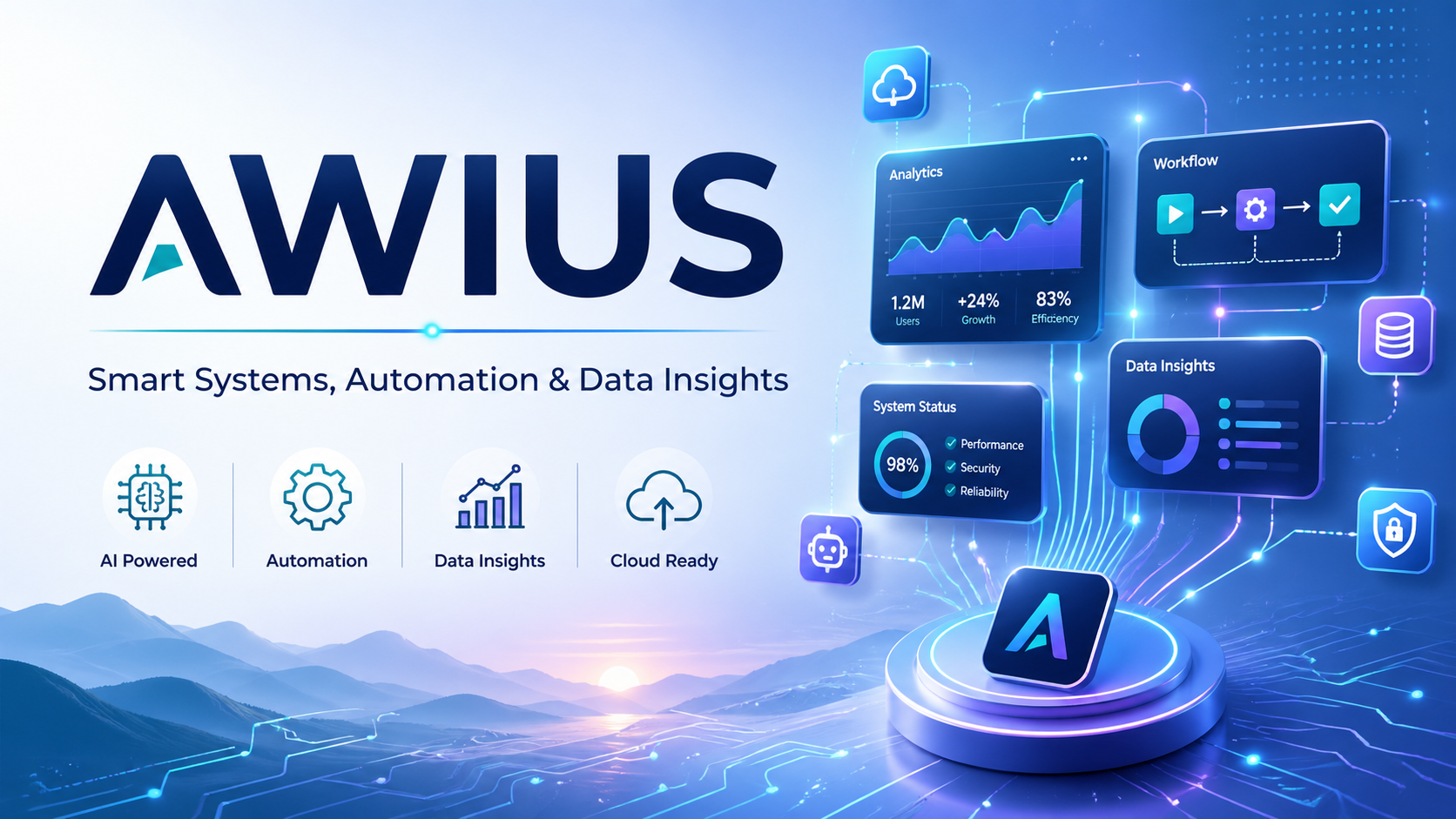
If you’ve come across the word “awius”, you’re not alone… it’s popping up more and more online.
And honestly? At first glance, it feels a bit confusing — like is it a tool, a brand, or just a trendy word?
Well… it’s a bit of everything.
Let’s break it down in a simple, human way.
What Is Awius?
Awius isn’t a traditional word with a fixed dictionary meaning.
Instead, it’s a modern digital concept or name used for technology, branding, and smart systems.
In simple terms:
- It can be a tech platform
- Or a brand name
- Or even a digital identity for a project
And yeah… that flexibility is exactly why it’s getting attention.
👉 Many sources describe awius as something that combines technology, data, and smart systems to improve efficiency and decision-making.
Why Is “Awius” Trending?
Let’s be real — people love new, catchy words. But awius isn’t just random hype.
It’s trending because:
- It sounds modern and tech-friendly
- It has no fixed meaning, so brands can shape it
- It fits perfectly into the AI + automation era
And honestly… it just feels like something futuristic.
👉 Some platforms even use it to represent intelligent technology systems powered by data and automation.
How Awius Actually Works
Now this is where things get interesting.
Awius isn’t one single product. It’s more like a concept or framework used in different ways.
Here’s how it usually works:
- Uses data analysis to understand behavior
- Applies automation to reduce manual work
- Gives real-time insights for better decisions
- Connects tools and systems into one flow
👉 In many cases, awius-based systems help businesses turn raw data into useful actions instead of just numbers.
Key Features of Awius
Let’s keep it simple. Most awius-based platforms or ideas include:
- Smart automation
Tasks run automatically without constant input - Real-time analytics
You get instant data insights - User-friendly interface
Even beginners can use it easily - AI-based decision support
Helps you make better choices faster - Integration with tools
Works with apps, software, and systems
👉 Some tools even allow users to track progress, automate workflows, and manage tasks from one dashboard.
Awius Use Cases (Real-Life Examples)
This is where awius becomes practical.
For Businesses
- Marketing automation
- Customer behavior analysis
- Workflow optimization
- Data-driven decision making
For Individuals
- Task management
- Daily routine automation
- Productivity tracking
- Smart reminders
And yeah… even small startups can use awius-style systems to compete with bigger companies.
Awius vs Traditional Systems
Here’s a quick comparison to understand it better:
| Feature | Awius-Based Systems | Traditional Systems |
|---|---|---|
| Automation | High | Low |
| Data Usage | Real-time insights | Limited reports |
| Flexibility | Very flexible | Fixed structure |
| Learning Ability | AI-driven | Manual updates |
| Ease of Use | Beginner-friendly | Often complex |
Why Awius Is Important Today
Let’s be honest… everything is moving fast.
Businesses, freelancers, even students — everyone wants:
- Faster results
- Less manual work
- Better decisions
And that’s exactly where awius fits in.
👉 It helps connect technology + human thinking, making everyday tasks easier and smarter.
Step-by-Step: How to Start Using Awius (Conceptually)
If you want to use awius (or tools based on it), here’s a simple way to start:
- Define your goal
What do you want? More traffic, automation, or productivity? - Choose a tool/platform
Look for software that offers automation + analytics - Connect your systems
Link apps, data sources, or workflows - Set automation rules
Example: auto-send emails, track performance - Analyze results
Use insights to improve your strategy - Optimize regularly
Adjust based on data feedback
Simple… but powerful.
Benefits of Awius
Let’s list them clearly:
- Saves time
- Reduces manual work
- Improves decision-making
- Boosts productivity
- Works for both beginners and experts
- Scales easily with your needs
And maybe the biggest one…
👉 It makes complex systems feel simple.
Common Problems or Misunderstandings
Not everything is perfect.
Here are a few issues people face:
- Confusion about what “awius” actually means
- Too many tools claiming to be “smart systems”
- Learning curve for beginners
- Over-reliance on automation
And yeah… sometimes people treat it like a magic solution. It’s not.
It still needs smart usage.
Future of Awius
This is where things get exciting…
Awius is expected to grow alongside:
- Artificial Intelligence (AI)
- Machine Learning
- Smart automation tools
- Digital business systems
👉 The idea is simple: technology should adapt to humans — not the other way around.
And honestly… that’s already happening.
FAQs About Awius
1. Is awius a real software or just a concept?
It can be both. Some use it as a concept, others as a tool or platform name.
2. Does awius have a fixed meaning?
No. It’s a flexible digital term used for branding and technology.
3. Who can use awius?
Businesses, freelancers, students — basically anyone working with digital tools.
4. Is awius related to AI?
Yes, many awius systems use AI, automation, and data analytics.
5. Is awius hard to learn?
Not really. Most tools are designed to be simple and user-friendly.
Final Thoughts
So… what is awius really?
It’s not just a tool. Not just a buzzword either.
It’s more like a modern digital idea — something flexible, adaptable, and built for today’s fast-moving world.
And yeah… that’s why people are paying attention.
If you’re working online, building a business, or even just trying to stay productive — understanding awius (or tools like it) can actually help.
Not in a flashy way… but in a practical, everyday way.
And sometimes, that’s exactly what matters.