
 By Admin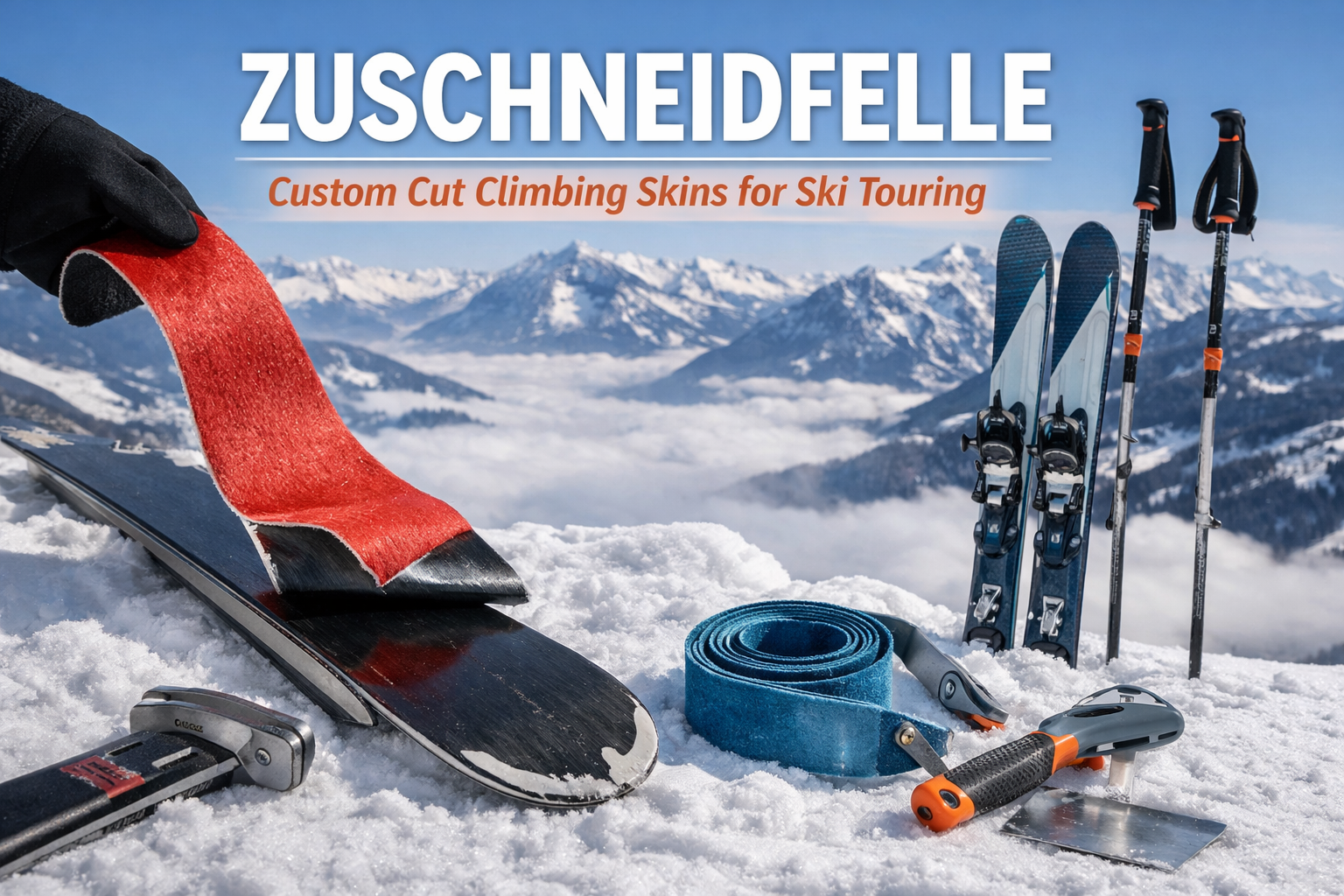
If you’re getting into ski touring, the word zuschneidfelle comes up fast. And at first it sounds… oddly technical. But the idea is simple. Zuschneidfelle are climbing skins that you trim yourself so they match the shape of your skis. That custom fit matters more than many beginners expect, because a skin that sits properly gives you better grip on the climb, cleaner handling, and less frustration when the snow gets weird.
A lot of skiers choose zuschneidfelle because they’re flexible. You don’t need a factory-precut skin for one exact ski model. You buy a trim-to-fit version, size it correctly, and then cut it so the ski base is covered while the steel edges stay visible. That last part is important. Good guides and retailers repeat it again and again: the skin should cover the base, but not hide the edges, because you still need edge hold while traversing or moving across firmer snow.
And honestly… that’s the beauty of it. Custom, but not complicated.
Why zuschneidfelle are so popular
There’s a practical reason these skins stay popular season after season. They let you fine-tune the fit to your exact ski shape instead of settling for “close enough.” Sport Conrad points out that trim-to-fit skins can be adjusted almost millimeter by millimeter, which helps with edge grip and helps stop snow from creeping between the ski base and the skin. That’s not just a small detail. On a long tour, small details become the whole story.
They also come in different material constructions, so you can choose what matters most to you:
- Mohair skins glide very well and feel efficient on longer tours, but they generally wear faster.
- Synthetic or nylon skins are known for durability and strong grip, which many beginners appreciate.
- Mix skins—often around 65% mohair and 35% nylon/polyamide—try to balance glide, grip, and durability, which is why they’re such a common all-round choice.
Quick comparison table
| Skin Type | Best For | Main Strength | Main Trade-Off |
|---|---|---|---|
| Mohair | Long tours, efficient glide | Smooth, fast glide | Lower durability |
| Synthetic / Nylon | Tough conditions, heavy use | Durable and grippy | Less glide |
| Mohair-Nylon Mix | Most skiers, mixed terrain | Balanced performance | Not the absolute best at one single thing |
That table is the short version, yes. But for many people, the mix option ends up being the sweet spot because it gives dependable performance without feeling too specialized.
How to choose the right zuschneidfelle
The first thing to check is width. A trim skin needs to be wide enough that you can cut it down to match your ski. Several sizing guides note that you normally start with a skin slightly wider than the ski’s waist or cambered section, then trim it so the edges remain exposed. Some shops suggest allowing a few extra millimeters; others give broader rules depending on waist width. Same idea, really: start a bit wider so you can shape it properly.
Then look at the attachment system. Many modern skins come with front loops, tail clips, or hybrid adhesive systems that make handling easier. Contour, for example, highlights its hybrid adhesive for easier removal and folding, and some of its trim skins are designed so the steel edges remain free without needing awkward repositioning during trimming. Nice little detail. Actually, not that little. It saves time.
Here’s a simple checklist:
- Pick a width that gives you enough extra material to trim cleanly.
- Leave the steel edges visible after cutting.
- Choose mohair if glide matters most.
- Choose synthetic if durability and grip are your top priorities.
- Choose a mix if you want an easy all-around setup.
Trimming them the right way
The good news? Cutting zuschneidfelle is very doable at home. Bergzeit says it’s “no magic trick” once you know the process, and Glisshop lays out the basics clearly: attach the skin to the ski, center it carefully, cut one side using the ski edge as a guide, then reposition and trim the other side so both steel edges stay visible. A sharp cutter helps a lot, and specialized skin-cutting tools make the job even easier.
And yes, first-time trimming can feel nerve-racking. You pause. You check twice. Maybe three times. That’s normal.
Don’t forget care and maintenance
Even great zuschneidfelle won’t stay great if they’re treated badly. Bergfreunde recommends drying them properly, removing dirt and debris after tours, and refreshing the treatment or wax when the plush starts absorbing too much moisture. They also note that dirt, moisture, and aging can reduce adhesive performance, so basic care really does extend the life of the skin.
So, if you want the short takeaway…
Zuschneidfelle are a smart choice for ski tourers who want a custom fit, solid climbing performance, and the freedom to match skins to their own skis. Pick the right material, trim with patience, keep the edges exposed, and look after them after each tour. Do that, and they’ll reward you. Quietly, maybe. But they will.